
Lifeline
In neighborhoods where thousands struggle without essential services, the rough roads and overflowing sewers define life in Alsunina and Almuallmi districts. Conditions worsen during the rainy season, turning urgent needs for improved infrastructure into daily burdens.
Hence the need for the "Promoting Inclusive Access to Justice in Yemen (PIAJY)" project implemented by the Youth Leadership Development Foundation in partnership with the United Nations Development Program (UNDP), running from May 2023 to August 2024, the project aimed to boost justice access by empowering committees to collaborate with authorities, enhance community participation, and solve local problems, easing residents’ suffering.
Residents face constant challenges. One woman shared, "My daughter suffered serious fractures because of the rough roads, and it was hard to reach the main road to get what we needed."
Street Paving
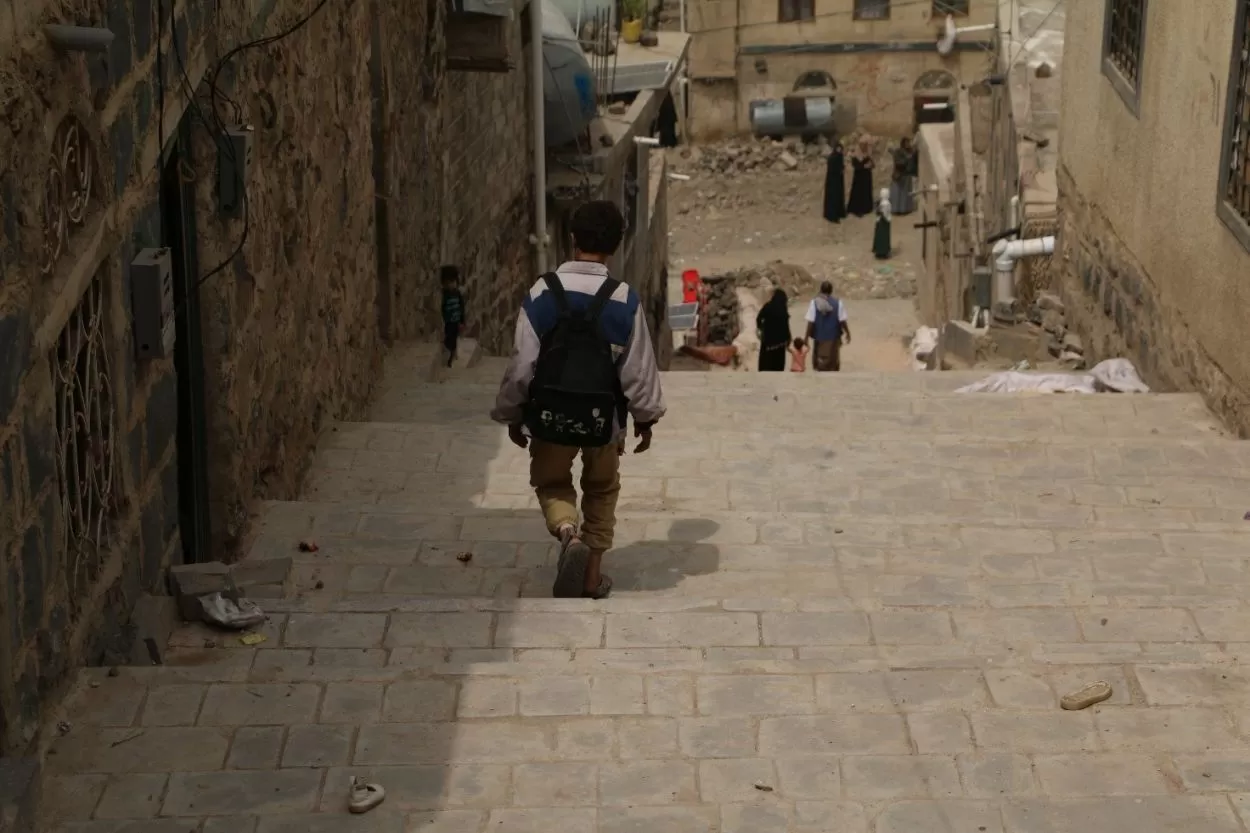
Life was characterized by difficulties and dangers due to the harsh conditions facing the area. Most homes are built randomly on mountainous slopes, and the streets are narrow and unpaved, making movement difficult and dangerous, especially for women, children, and people with disabilities. Some roads were closed due to debris washed away by rain. One marginalized woman recounted, "I slipped while pregnant, leading to a premature birth."
Everyone worked tirelessly, with diligence and dedication, to build the road Stairs themselves, reflecting the extent of suffering and urgent need. Between construction workers and material guards, tasks were shared, and everyone contributed as much as they could to build and accelerate the work pace. Not only did the elders and youth contribute, but traders also played a role by providing building materials for supporting walls along some of the paved roads. They were inspired by the dedication of the districts residents, the effective role of community committees in raising awareness, and mobilizing support, which enhanced the spirit of solidarity, community participation, and sustainability.
What made this initiative receive a tremendous response from the local community -- through their willingness to volunteer and facilitate actions - is that they identified the need to solve problems that hindered their daily tasks smoothly, leading to the repair and construction of 7 road Stairs and the and rehabilitating 5 roads by cleaning and opining to become usable, some connecting five neighborhoods. This spared residents the trouble of taking long, winding detours to reach and move between them. The unbearable burden turned into an opportunity for cooperation. Project coordinator Amal Al-Qatta'a noted, "Seeing students happily reach their schools is something to be proud of."
Sanitation Maintenance and Providing Water
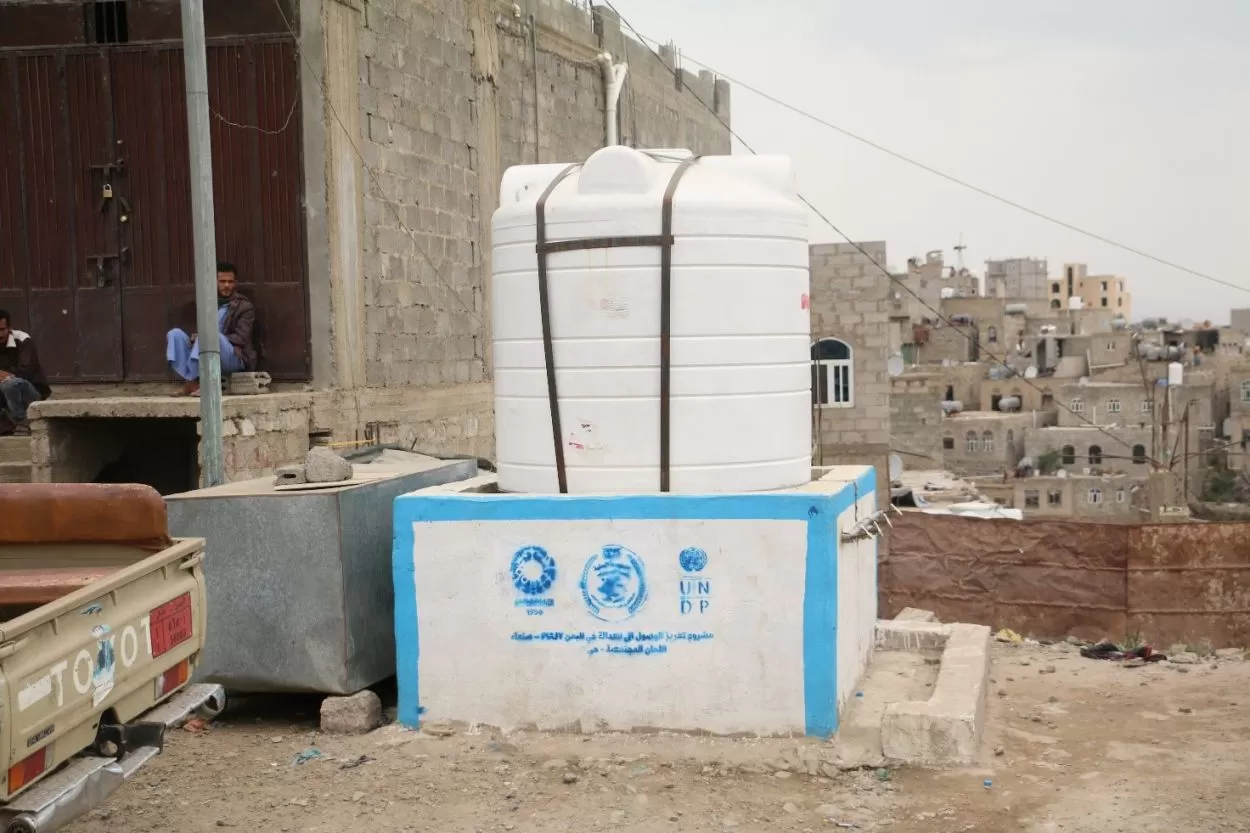
The rough roads were an obstacle to the easy access of water to the neighborhoods. One resident said, "Water transport trucks struggle to reach our area, which forces us to pay exorbitant amounts." This was due to poor roads, prompting efforts to improve infrastructure and provide water in the targeted neighborhoods. Five water tanks with a capacity of 5,000 liters and eight tanks with a capacity of 4,000 liters were provided, ensuring a continuous and affordable water supply for residents. Community committees will continue to support the regular and ongoing filling of the tanks. Sewage lines in two neighborhoods were maintained to solve rainwater and sewage problems. By repairing the damaged septic tank, public health and environmental safety in the area improved, making the neighborhood a safer and more vibrant place due to joint efforts that demonstrated how development projects can create sustainable impact.
Trach Cans
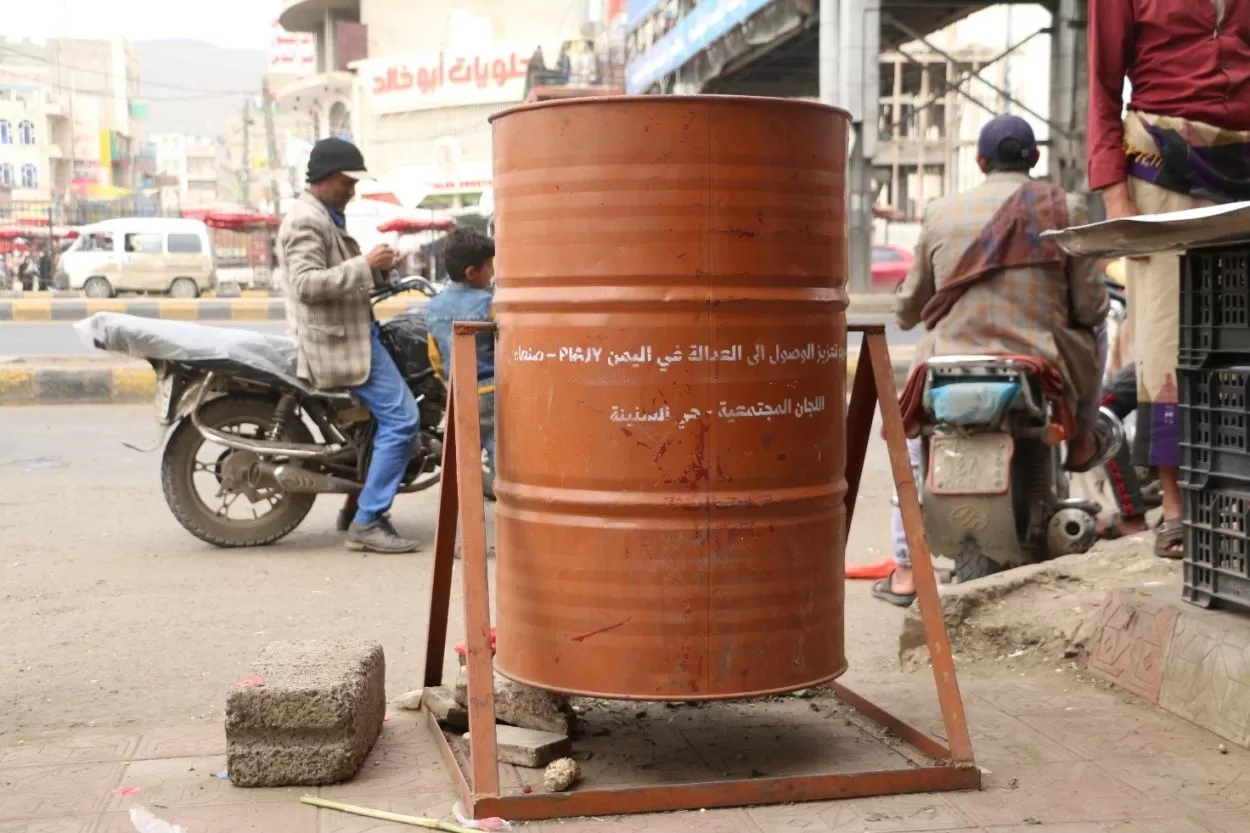
Not only did water transport trucks struggle to enter the area, but garbage trucks also found it difficult to clean the streets. Due to the absence of garbage bins and increased population density, along with the presence of Internally displaced people (IDP), waste scattered in the streets without control, significantly spreading diseases. The urgent need arose to meet basic needs and distribute a total of 95 trach cans in the targeted areas, contributing to waste collection at specific points and preventing its spread in the streets. This measure will enhance public cleanliness, reduce the spread of infectious diseases, and create a healthy and aesthetic environment for the area.
Community Committees and a New Life
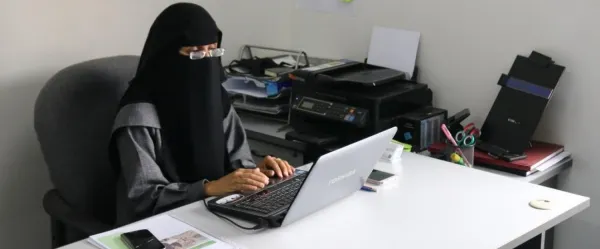
These were the reasons for the intervention and the assessment of needs through community committees formed by the residents themselves. These committees were established and trained during the project to enhance their skills, enabling the residents to become true partners in the development process. This participation aims to ensure the sustainability of achievements, as their active involvement helps maintain the accomplishments made.
Through determined community efforts, these committees and contributors played a key role in overcoming challenges, paving the way for a better life for current and future generations. These initiatives improve living conditions, offering solutions to ongoing issues, and facilitating access to essential services, resources, education, jobs, and food, ultimately fostering sustainable community development through continuous effort and effective cooperation.