
Joy and a Lasting Impact
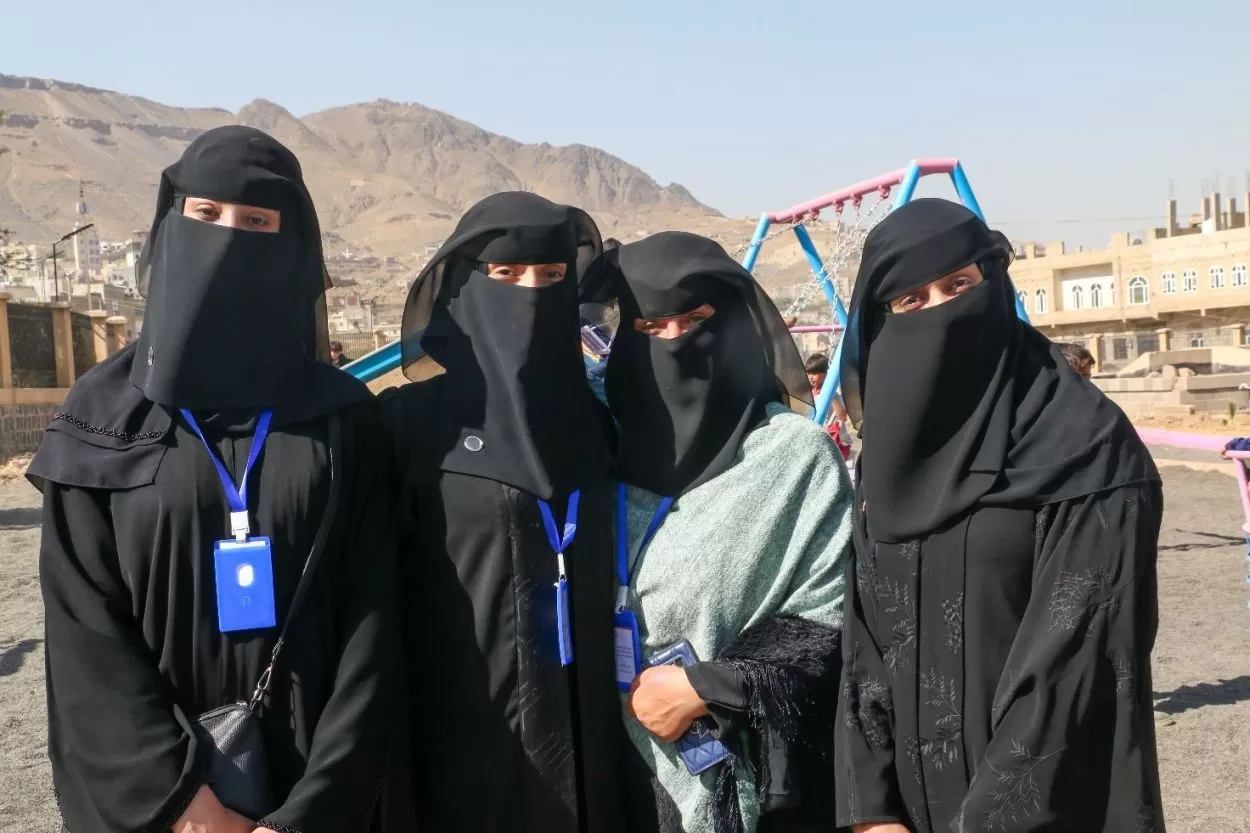
"We were not just looking for a project, but for real change that leaves a lasting impact," said Noor Al-Ajmi, the head of the Athar Initiative, describing her and her team’s journey.
At the beginning, their initiative did not receive community support; they faced skepticism and hesitation from various stakeholders. However, as the impact of their efforts began to materialize on the ground, perceptions started to shift gradually, and people began offering support and joining their ambitious mission. The goal was not merely to implement a project, but to bring about a fundamental change in the way young women think and engage with societal issues.
In a densely populated neighborhood, an abandoned park had become a dumping ground filled with waste and debris, despite previous attempts to rehabilitate it. With the increasing need for green spaces in the area, the urgency of intervention became clear. This is where the young women stepped in through the Youth Connect Project.
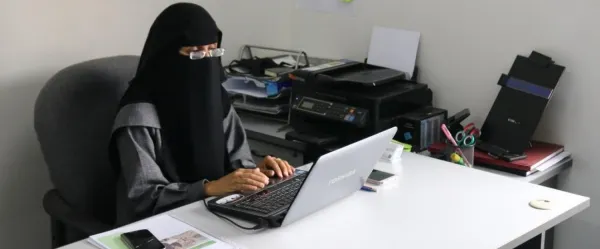
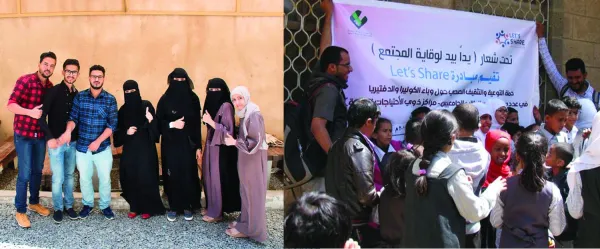
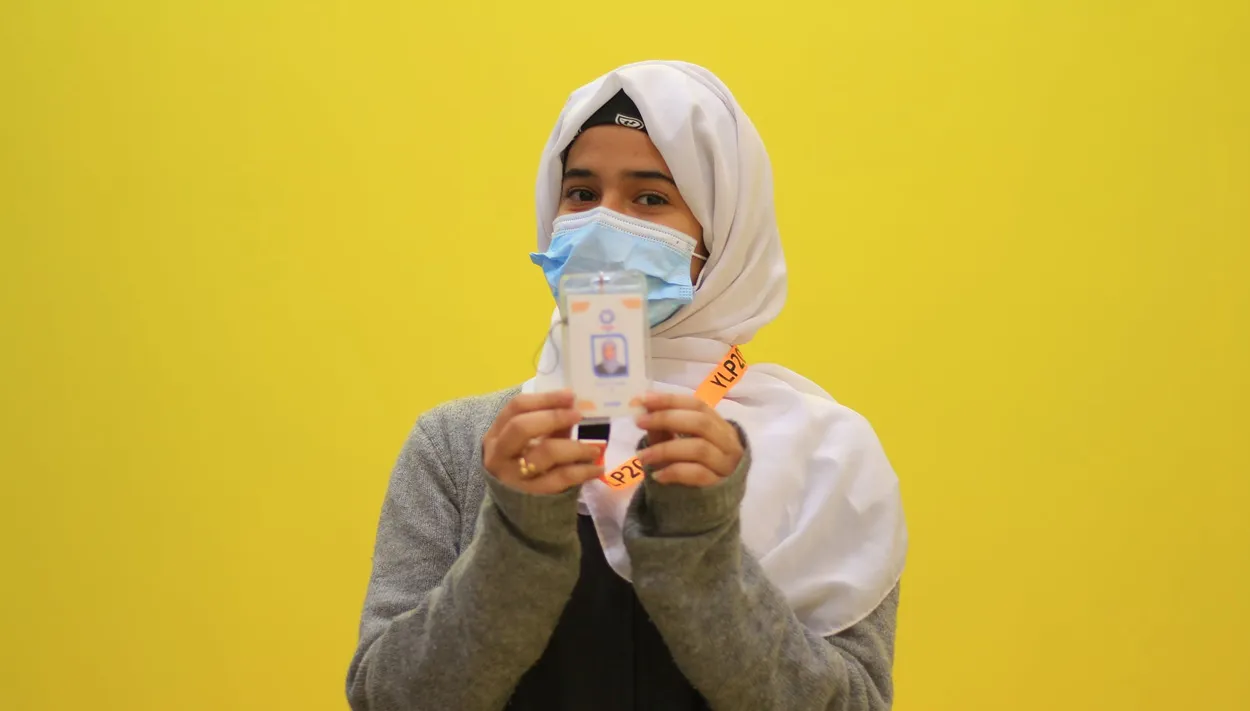
When these young women were selected to join the project, they came together from different backgrounds, uniting around a shared goal and passion. From the very first day of training, the participants developed a growing enthusiasm for entrepreneurship and community work. "I have learned new skills and can now identify my community’s needs and problems and find solutions," said Yusra, one of the initiative’s members. It wasn’t just about theoretical lectures; rather, it was an interactive experience where they engaged with trainers and experts, learning how to analyze community needs, manage projects, develop strategic plans, and prepare budgets-equipping them for the next phase of implementation and planning.
Following intensive meetings, comprehensive studies, and careful planning, they chose Asr Park in the Ma’een District of Amanat Al-Asimah as their next target. The initiative required substantial resources, as the park spanned an area of 143 lebnah and was filled with unsuitable soil, which needed to be removed and replaced with fertile soil. Additionally, they had to secure agricultural seedlings, establish an irrigation network, renovate benches, and equip the space with rest areas and children’s playgrounds.
The young women reached out to the relevant authorities to obtain the necessary permits, engaging in continuous communication with the district director for over two months until they secured official approvals. They also actively searched for organizations willing to provide playground equipment, and their efforts paid off when they found a supporter, further fueling their enthusiasm and determination to move forward.
The journey was not smooth; initially, the team lacked sufficient support, and despair almost crept in. However, their persistence led them to renew permits with the Supreme Council for the Management and Coordination of Humanitarian Affairs (SCMCHA) in the capital, ultimately gaining the trust of relevant entities. They engaged with the Parks Administration, which welcomed the initiative and facilitated the process. They also coordinated with the Cleaning and Improvement Fund, which agreed to remove the old soil.
Once the work commenced, the momentum increased. The team collaborated with the Ministry of Public Works and Highways, which provided them with fertile agricultural soil-transporting 35 truckloads to the site. The ground was leveled and prepared for planting, with specialized engineers visiting the location to offer guidance and provide the necessary seedlings.
The project was not merely about rehabilitating a park; it marked a turning point in the community’s awareness of the importance of preserving public spaces. The initiative led to extensive networking with various entities, opening doors to new relationships with many local organizations.
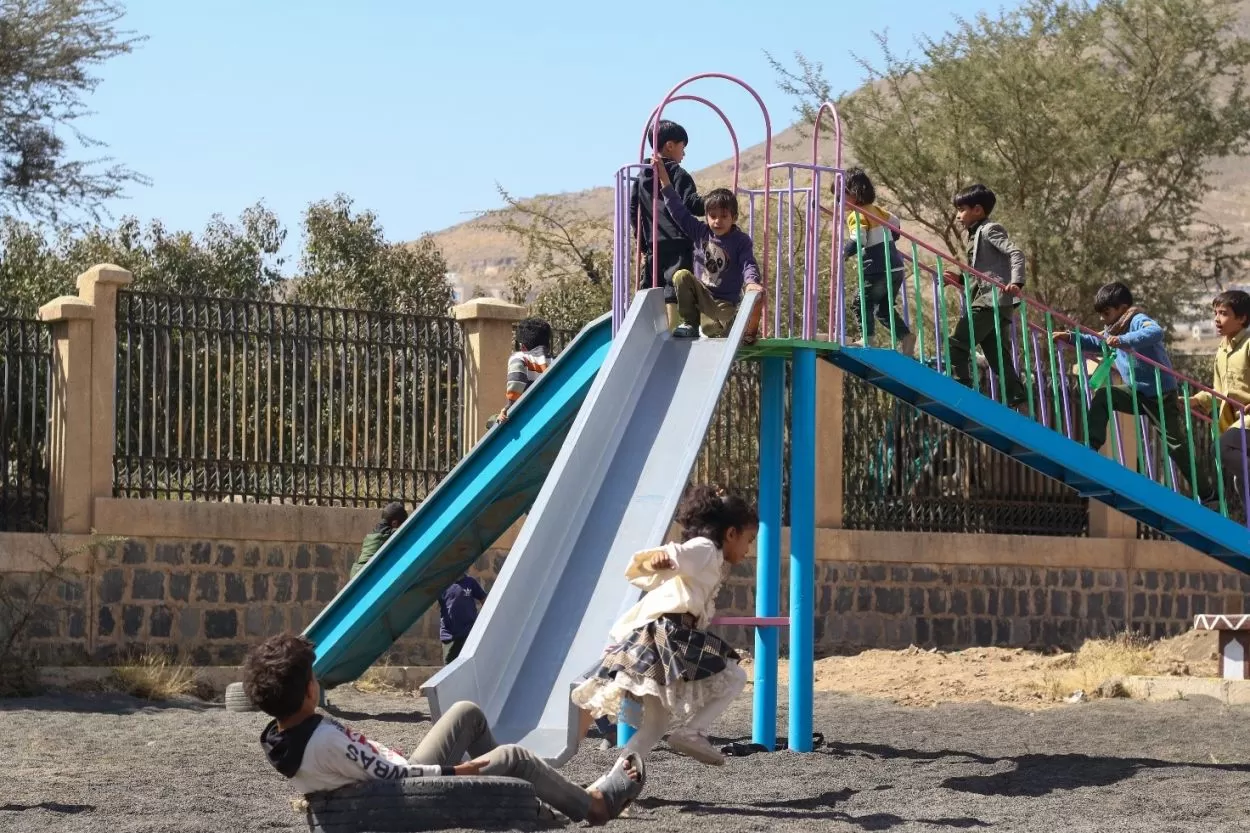
As the tangible progress became evident, residents began actively participating-helping with planting trees and watering them. The most touching scene was witnessing the joy and smiles of children as they entered the park for the first time after its restoration. Thanks to the team’s efforts, the park was transformed into a safe space for families and children, now featuring 19 benches, four rest areas, solar-powered lighting, a water source, and accessible pathways for all. The project contributed to improving individual well-being, strengthening social bonds, and turning the neighborhood into a model for community collaboration.
The project's impact was not momentary - it extended to influence local authority policies. Following the efforts made, the park was included in the 2025 municipal budget after improvement plans had remained on hold since 2004, where the rehabilitation and landscaping were completed under the direct guidance of the Director General Administration of Gardens and Parks in Amanat Al-Asimah, which helped enhance institutional coordination and provide the technical and professional support necessary for sustaining the initiative.
Additionally, electric playground equipment was installed in the park as a community contribution from local businessmen - a gesture that reflected strong community solidarity. The revitalized park now serves approximately 78% of the area’s residents, including families and their children. This significantly elevated the park’s role as a vibrant public space, improved its overall quality, and provided a safe and joyful environment for the neighborhood.
This reflects the synergy and collaborative efforts involved in the implementation of The Youth Connect Project was implemented by YLDF, funded by the British Council, and supported by local authorities, enabling participants to design and implement sustainable social and economic initiatives. Women played a significant leadership role in driving this change, demonstrating exceptional organizational and management skills.
Patience and resilience were the keys to success. The participants learned that change requires time and determination, and that teamwork can overcome obstacles and achieve the seemingly impossible.
This initiative was not just about rehabilitating a park-it was a rebirth of a vibrant space, a living testament to the power of perseverance and collective effort. What began as an idea met with hesitation and doubts transformed into an inspiring model of how youth-particularly young women-can be true agents of change.
Today, the park stands as a symbol of hope, a source of pride, and proof that sustainable change starts with a bold idea that becomes reality through unwavering dedication and hard work. As the trees continue to grow, this park will remain a lasting testament to a success story written by inspiring women-who redefined what is possible and proved that every idea leaves an impact, but the true impact is the one that endures.