
(EFSERII) Emergency Food Security and Early Recovery
Project Objective: Contribute to improved food security, resilience, and restoration of livelihood opportunities for vulnerable host and IDP households.
Project Duration: June 2025 – August 2026 (15 Months).
Target Group: Vulnerable host and IDP households (Direct Cash-for-Work beneficiaries: 522 households, including 48 skilled and 480 unskilled laborers).
Targeted Areas: Amran Governorate (Jabal Eyal Yazid District) and Dhamar Governorate (Dawran Anees District).
Implementing : Youth Leadership Development Foundation (YLDF).
Partner & Donor: Diakonie Katastrophenhilfe (DKH) and Caritas Germany.
Project Details:
In a strategic effort aimed at breaking the cycle of humanitarian vulnerability and transforming immediate relief into solid pillars for community stability, the Youth Leadership Development Foundation (YLDF) is spearheading the execution of the Emergency Food Security and Early Recovery Project (EFSER 2). This milestone intervention is deployed in close field partnership with Diakonie Katastrophenhilfe (DKH) and funded by Caritas Germany. Spanning an intensive 15-month operational timeline, the project concentrates its field operations across two critical geographical areas: Jabal Eyal Yazid district in Amran governorate and Dawran Anees district in Dhamar governorate. It is systematically designed to transcend classical emergency aid models by engineering resilient, localized solutions that measurably improve food security and restore sustainable livelihood opportunities for both vulnerable host communities and internally displaced households (IDPs).
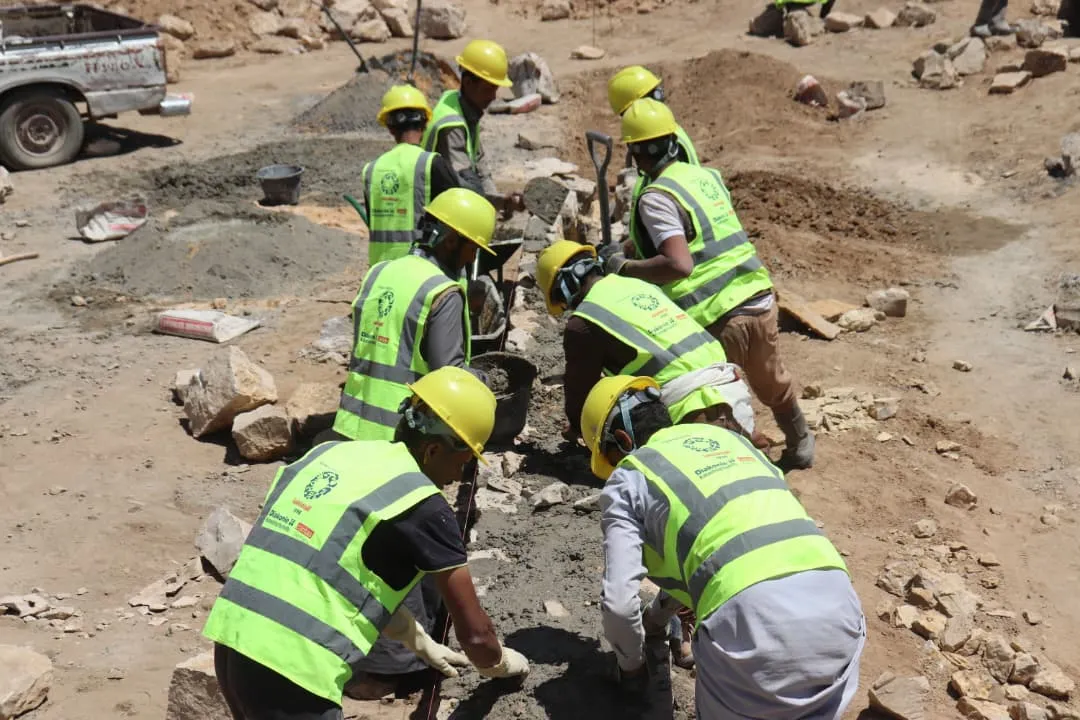
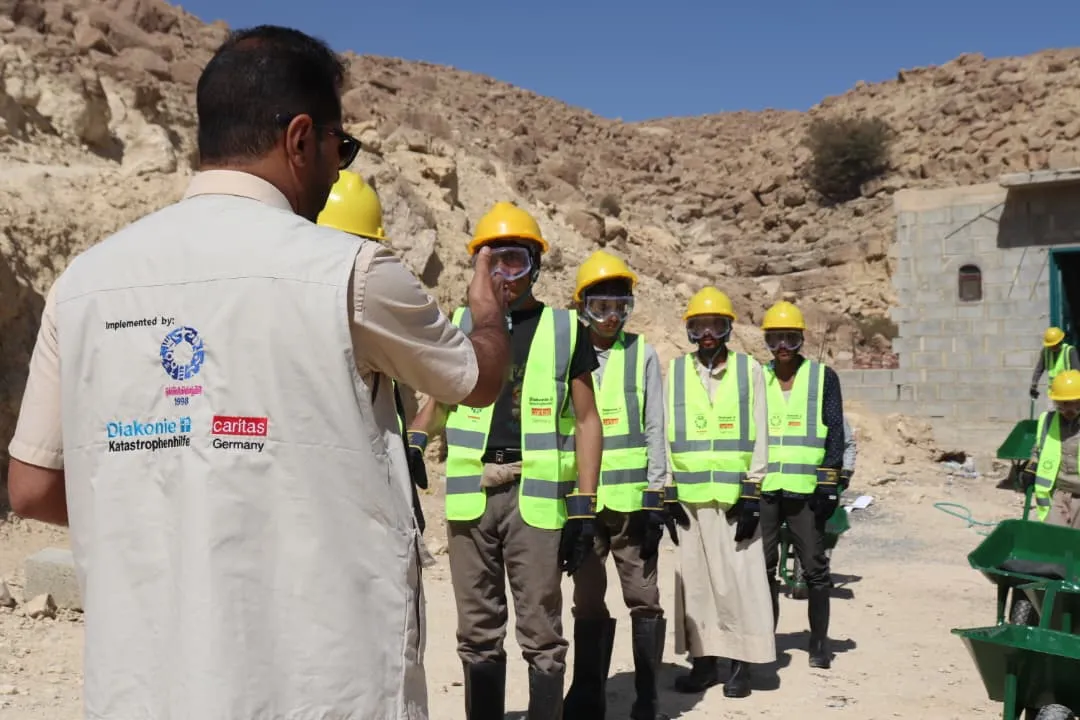
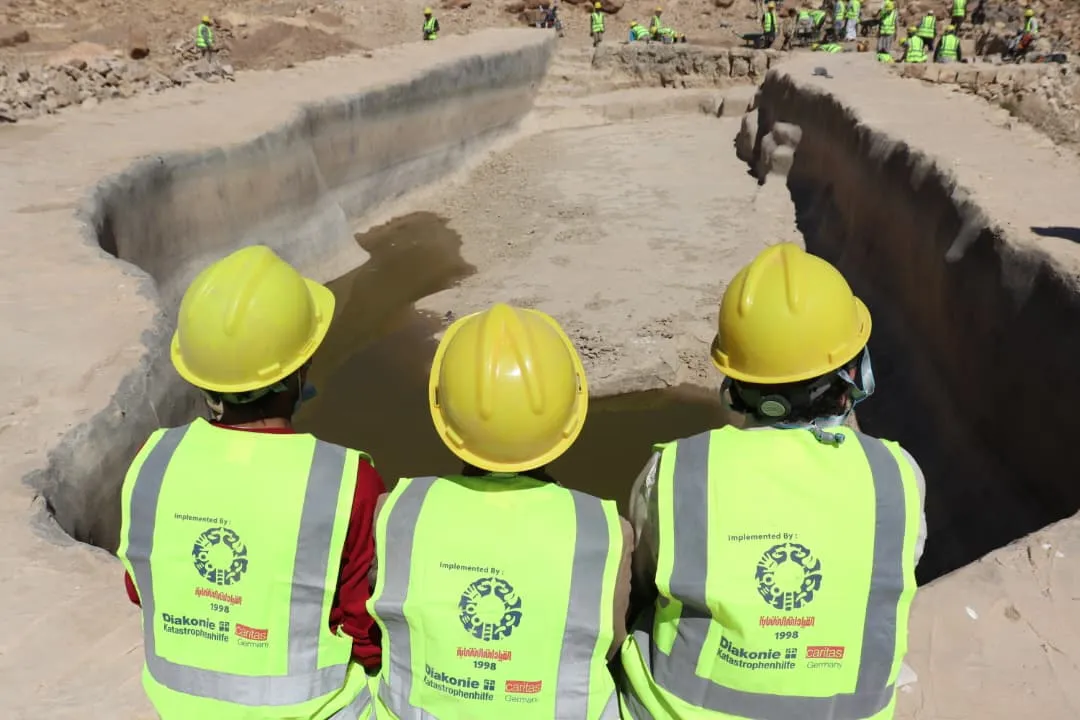
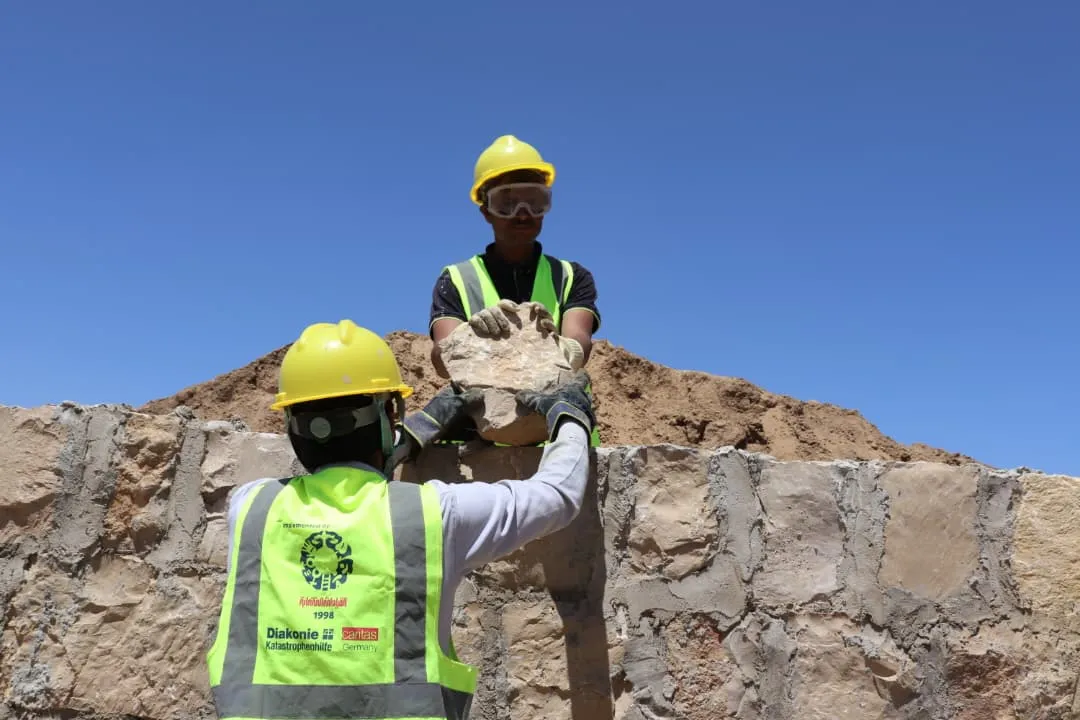
To achieve this lasting structural impact, the project utilizes Cash-for-Work (CFW) modalities as a dual economic and social lever, directly targeting and empowering 522 beneficiary households. This community-driven workforce is strategically divided into 48 skilled laborers and 480 unskilled laborers sourced directly from the targeted localities. Beyond yielding immediate and crucial financial lifelines that enable families to secure basic food needs, this collective community effort has successfully materialized in the creation and rehabilitation of 10 vital community assets, including water harvesting structures and essential mountain passageways. This infrastructural fortification significantly enhances local resilience against prolonged economic shocks, offering a definitive model of how integrating emergency relief with early recovery effectively secures long-term socio-economic stabilization.